Extended Literary Description & Narrative Depth
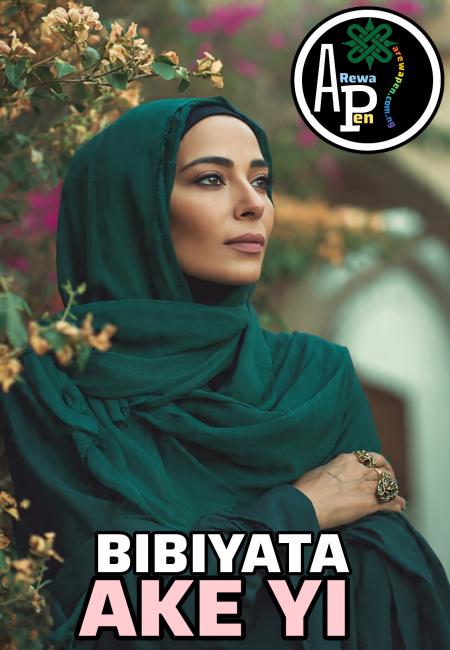
This historical fiction masterfully resurrects the atmospheric grandeur, political intricacies, and rigid social stratifications of the Zazzau (Zaria) Emirate around the turn of the 20th century. Author Ayusher Muhd constructs a dual narrative canvas: one side showcases the dazzling, vibrant pageantry of traditional Hausa royalty—complete with thunderous kalangu drums, majestic horse-riding displays (hawan doki), praise-singing, and crowded palace courtyards—while the other plunges into the dark, claustrophobic underbelly of palace intrigue.
At the heart of this world is a stark contrast between institutional power and individual vulnerability. The glittering facade of the palace conceals a viper’s nest of ambition, epitomized by Magajiya and Hisham. Their grand deception—faking a pregnancy to manipulate the royal line of succession—serves as a biting critique of how unchecked pride and the obsession with bloodline dominance corrupt human empathy. Conversely, King Abdulsamad and Amadu represent a counter-ethos of honor, quiet sacrifice, and protective brotherhood. The narrative takes its most poignant turn through Basira, whose tragic violation exposes the brutal, unforgiving nature of a historical society where a woman’s worth was violently tethered to archaic purity standards. The author uses Abdulsamad’s quiet, unheralded rescue of Basira to subvert the stereotype of the aloof monarch, framing true nobility not in crowns and concubines, but in radical, protective compassion.
Comprehensive Analytical Breakdown
1. Structural and Thematic Architecture
- The Dual Morality Play: The novel juxtaposes Machiavellian pragmatism (Magajiya's cold calculus regarding human lives, marriages, and fake heirs) with restorative justice (Abdulsamad’s willingness to disrupt royal protocol, divorce a neglected bride, and marry a stigmatized outsider).
- The Weight of Patriarchy & Honor: The narrative heavily interrogates how societal shame dictates human behavior. Basira's muteness following her trauma is a physical manifestation of psychological suffocation caused by a culture that punishes the victim rather than the perpetrator.
- The Transience of Power vs. Human Cost: While characters like Magajiya maneuver ruthlessly to secure thrones and titles for their offspring, the text subtly reveals the collateral damage inflicted on peripheral figures like Rabi'a (divorced arbitrarily) and Sauda (manipulated and marginalized).
2. Character Psychology & Archetypes
- Magajiya (The Sovereign Antagonist): Defined by her moniker, she rejects traditional submissiveness, weaponizing her elite upbringing, aristocratic arrogance, and psychological dominance over both the King and her brother Hisham to forge a matriarchal tyranny within a patriarchal structure.
- King Abdulsamad (The Reluctant Reformer): Balancing youthful accession with unexpected emotional depth, he is torn between the ceremonial demands of absolute rule and a deeply ingrained moral compass that compels him to shield the broken-hearted.
- Amadu & Basira (The Emblems of Resilience): Amadu represents the frantic, helpless desperation of a protector fighting societal stigma, while Basira’s silent endurance encapsulates the quiet suffering and eventual survival of marginalized women in historical epochs.
3. Sociocultural and Historical Realism
- Marriage as a Political Commodity: The text accurately mirrors historical practices where marriages were arranged for geopolitical consolidation, age disparities were ignored (e.g., Abdulsamad's initial mismatched union with 12-year-old Rabi'a), and young girls were socialized to view status and childbearing as their sole existential metrics.
- The Mechanics of Royal Administration: Through details like the turaka (private quarters), the role of the Waziri (Vizier), the hierarchy of guards and servants, and the integration of concubinage (kwarkwara), the author anchors the fiction in authentic historical institutional frameworks of Northern Nigerian emirates.


 VIEW ALL