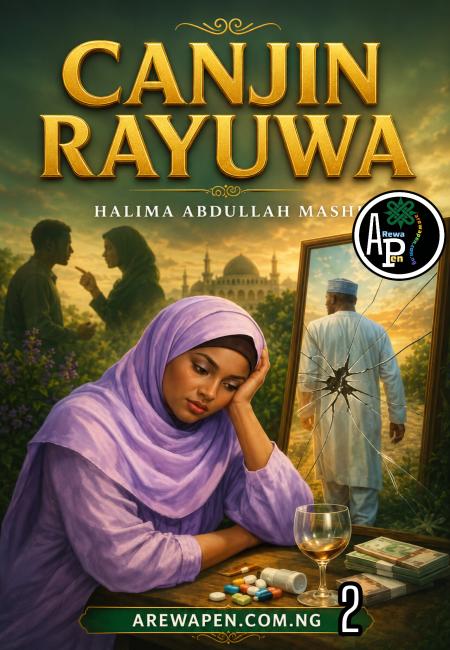
Expanding the Tapestry: Deep Philosophical, Sociopolitical, and Stylistic Analysis
1. Expanded Description: The Aesthetics of Contrast and Spatial Psychology
The narrative operates as a masterclass in spatial psychology, using physical environments to mirror internal human transformation and societal pressures:
- The Clinical Panopticon (Zakiyya’s Hospital Ward): The hospital does not offer sanctuary; instead, it functions as a public theater of observation. The endless rotation of visitors turning the ward into a social gathering space emphasizes the loss of privacy inherent in communal living. Zakiyya’s physical immobilization on the bed mirrors her psychological paralysis. As she confronts the twin specters of economic ruin and marital rejection, the clinical white walls symbolize the stark, unforgiving exposure of her vulnerabilities to the public gaze.
- The Existential Void of the Slum (Laila’s Captivity): Goje’s hideout is rendered as a micro-hell, an architectural embodiment of moral decay. The suffocating sensory overload—the cloying stench of stale tobacco, fermented alcohol, and human waste—creates a claustrophobic cage. This environment amplifies the theme of violation, contrasting the sordid underworld against Laila’s fierce moral purity. The room becomes a battleground where physical space is weaponized to break a human will.
- The Domestic Crucible (Minal and Yazeed’s Residence): In stark contrast to the previous spaces, Yazeed’s home functions as a developmental laboratory. It is a warm, breathable ecosystem where traditional domesticity meets playful psychology. The scent of Dambu, the cozy boundaries of the parlor, and the lighthearted banter over nicknames like "Yar Kazame" transform the domestic sphere into a canvas for mutual healing and emotional education.
2. Advanced Analytics: Sociological Subtexts and Structural Motifs
A. The Fragility of Modern Independence: Zakiyya’s Economic Collapse
Zakiyya’s tragedy transcends a simple plot device; it serves as a sharp critique of contemporary socioeconomic realities for women. Her identity is deeply anchored in her entrepreneurial success—the five years spent building her boutique. When fire and looting reduce her empire to ash in five minutes, it symbolizes the precarious nature of self-made stability in an unpredictable economy. Furthermore, the simultaneous blow of a divorce reveals a patriarchal safety net that quickly pulls the rug out from under independent women when structural pillars collapse.
B. The Subversion of the "Damsel in Distress" Trope: Laila’s Agency
Traditional romance literature often casts female victims of violence as entirely passive entities waiting for a male savior. The narrative subverts this trope through Laila's fierce resistance:
- Verbal Defiance: She actively rebukes her assailant, holding onto her moral compass by condemning the sanctity of the space.
- Physical Counter-Attack: She bites Goje's tongue and fights him tooth and nail until she loses consciousness.
- The Redemptive Paradigm Shift: Abubakar’s reaction upon rescuing her is equally revolutionary. Instead of succumbing to cultural stigmas regarding violated purity, his love deepens. This challenges toxic honor codes and reframes trauma not as a stain on a woman’s worth, but as an experience demanding absolute protection and unconditional devotion.
C. The Pedagogy of Affection: Minal and Yazeed’s Dynamic
Minal and Yazeed’s relationship introduces the motif of pedagogical romance. Yazeed does not act as a tyrannical patriarch; instead, he adopts the role of a gentle mentor. By turning intimacy into structured "lessons" (such as learning how to kiss and overcoming personal untidiness), he bridges the maturity and age gap between them. His use of playful teasing disarms Minal's stubborn pride, proving that a healthy marriage can be intentionally cultivated through humor, patience, and mutual adaptation.
3. Comprehensive Multi-Plot Summary
- Zakiyya’s Double Tragedy: Zakiyya’s world shatters when she discovers her boutique has been burned down and looted to the ground just days before her wedding, sending her into a deep shock compounded by the news of her divorce.
- Laila’s Ordeal and Salvation: Laila is lured into a trap by Goje under false pretenses, enduring a brutal assault in a squalid hideout before fighting back fiercely. Abubakar rescues her, offering profound, unshakeable emotional acceptance despite her trauma.
- Minal and Yazeed’s Domestic Harmony: Minal adjusts to married life through cultural culinary sharing (Dambu), playful teasing over the nickname "Yar Kazame," and progressive intimacy lessons that solidify their bond into a joyful, affectionate partnership.
4. Critical Commentary on Narrative Craft and Style
- The Calculus of Emotional Whiplash: The author intentionally employs abrupt tonal shifts—hurling the reader from the dark, visceral horror of Laila's assault into the bubbly, comedic sweetness of Minal and Yazeed. While this creates intense emotional whiplash, it effectively mirrors the chaotic reality of life, where human suffering and romantic joy often unfold simultaneously in different corners of the same world.
- Realism in Dialogue and Character Voice: The dialogue balances colloquial Hausa cultural nuances with raw emotional subtext. Zakiyya’s immediate fixation on wealth ("Dukiya, dukiya itace abin da ya janyo") captures the panic of lost capital, while Minal’s stubborn refusal to accept the nickname "Yar Kazame" highlights the authentic petulance of a young, newlywed bride finding her voice.
5. Philosophical Conclusion: The Anatomy of Resilience
Ultimately, this segment of the narrative serves as a profound meditation on human resilience and the architecture of survival. It asserts that while material security can vaporize in minutes, and physical safety can be violently breached by malice, the human spirit rebuilds itself through two primary forces: unyielding personal defiance (exemplified by Laila's fight) and transformative affection (demonstrated by Abubakar’s loyalty and Minal and Yazeed’s playful intimacy). Life may deal devastating blows, but love, humor, and inner strength remain the ultimate instruments of reconstruction.
How do you analyze the author's choice to interweave such dark, traumatic elements with lighthearted romance within the same overarching narrative flow?






 VIEW ALL